
Sculpt Your Curves: A Workout Guide for an Hourglass Figure

People often admire the classic hourglass figure, a body shape defined by a narrow waist with balanced bust and hip measurements. Although this silhouette is celebrated in fashion and media, only a small percentage of women naturally have the genetics and bone structure to achieve it. Pursuing this shape should never compromise your health or lead to unrealistic expectations. The purpose of this guide is to show you how to train intelligently, emphasizing fitness, strength, and well‑being over rigid body ideals.
Throughout this article you’ll learn why genetics play a role in body shape, how to structure workouts that highlight your curves, and the importance of diet, recovery and mindset. Each section includes a free‑to‑use image to illustrate the concept being discussed.
Understanding the Hourglass Figure
An hourglass body shape has wider bust and hip measurements with a narrow waist between them. A woman with a 36‑24‑36 inch bust–waist–hip measurement is often considered the archetype. However, medical sources note that only about eight percent of women naturally possess this body type. Research also shows that body shape is largely determined by genetics, bone structure and muscle mass, meaning you can’t fully change your underlying shape. You can, however, emphasise certain muscles to create a more balanced appearance.
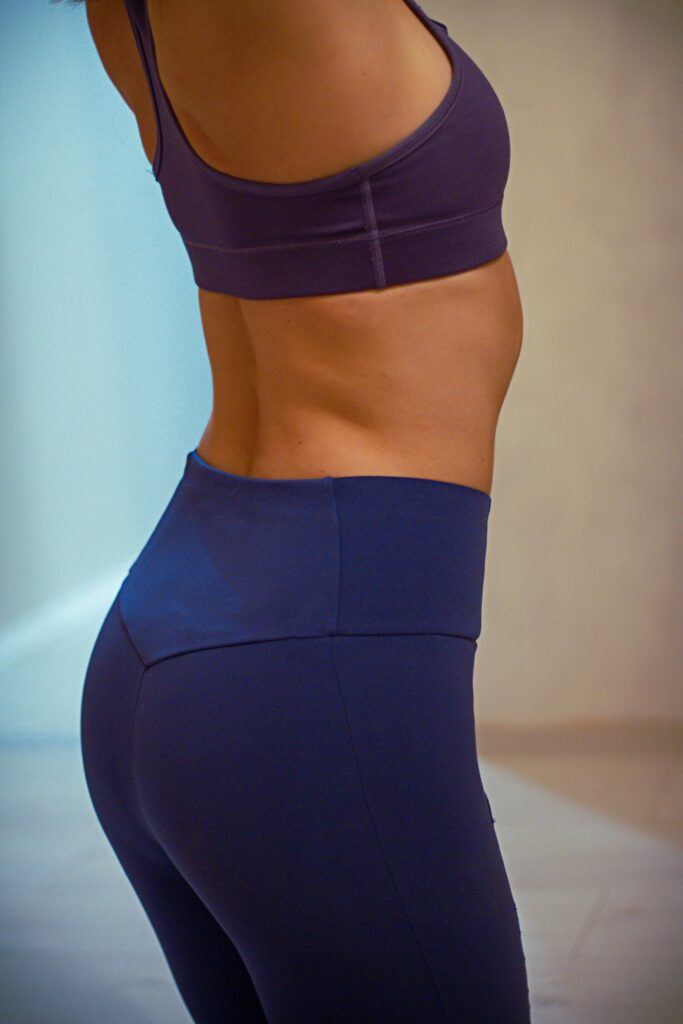
It’s important to understand that evolutionary pressures, not fashion trends, influence how fat is distributed. Female bodies tend to store more fat around the hips and thighs because this fat contains omega‑3 fatty acids critical for fetal brain development. Therefore, striving for an hourglass figure should be about accentuating your natural curves while maintaining a healthy weight and lifestyle.
Key characteristics of an hourglass figure
- Balanced bust and hips: The bust and hip measurements are similar, while the waist is noticeably smaller.
- Defined waist: A narrow waist creates the “hourglass” appearance between the bust and hips.
- Curved shape: The shoulders and hips are softly rounded rather than angular.
Setting Realistic Expectations and Safety
Before beginning any training program, it’s crucial to set realistic expectations. Because body shape is largely genetic, you cannot transform a pear or apple shape into a true hourglass. Instead, focus on improving your overall health and creating the illusion of balanced proportions. Medically reviewed guidance stresses that an hourglass figure is rare and that chasing a “perfect” body can lead to unhealthy behaviors.
Talk to your healthcare provider before starting a new exercise routine, especially if you have pre‑existing conditions or are returning to exercise after a long break. Certified personal trainers can ensure that you use proper form during strength exercises and help you progress safely. Good form protects you from injury and ensures you reap the benefits of each movement.
Warm‑up and mobility basics
Warming up primes your muscles, raises your heart rate gradually and reduces the risk of injury. A dynamic warm‑up might include:
- 3–5 minutes of light cardio: brisk walking, jogging or skipping to increase blood flow.
- Joint mobility exercises: arm circles, shoulder rolls, leg swings and hip circles to lubricate joints.
- Bodyweight movements: walking lunges, inchworms and gentle squats to prepare the muscles for heavier work.
Give yourself at least five minutes to warm up before moving into more intense exercise. Finish your workout with a cool‑down of light activity and stretching to aid recovery and flexibility.
Cardio Training: Burning Fat and Boosting Endurance
While you can’t “spot reduce” fat from your waist or hips, regular cardiovascular exercise helps burn calories and supports overall fat loss. A gym blog recommends three 30‑minute cardio sessions per week and at least three strength‑training sessions with one rest day. Moderate‑intensity cardio not only helps create a calorie deficit but also improves heart health and stamina.

Types of cardio
- Zone 2 cardio: Working at 60–70% of your maximum heart rate helps burn fat efficiently. Examples include brisk walking on an incline, cycling or swimming.
- High‑Intensity Interval Training (HIIT): Short bursts of high effort followed by rest can burn substantial calories in 15–20 minutes and continue to burn calories for hours afterwards. For example, you might alternate 30 seconds of fast running with 30 seconds of walking for 15 minutes.
- Low‑impact cardio: Activities like elliptical training, rowing or dancing provide variety and are gentler on joints.
Choose activities you enjoy so you’re more likely to stay consistent. If weight loss is part of your goal, combine cardio with a modest calorie deficit (250–500 calories per day).
Strength Training for Curves
Strength training is the cornerstone of an hourglass workout. Building muscle in the hips, glutes, shoulders and back adds shape and definition around your waist, while a strong core supports posture and stability. Aim for at least three strength sessions per week, each targeting different muscle groups. Use progressive overload — gradually increase the weight or repetitions each week — to stimulate growth.
Glutes and lower body
Exercises like squats, lunges and hip thrusts develop the glutes and thighs, helping to create fuller hips and buttocks. Healthline notes that squats are excellent for building a strong lower body; they tone the hip muscles, glutes and thighs. The same article highlights fire‑hydrant exercises (also called dirty dogs) for targeting the hip area and glutes.
Here are key lower‑body moves to include:
| Exercise | Why it helps | How to do it |
|---|---|---|
| Squats | Build strength in glutes, quads and hamstrings while shaping hips. | Stand with feet hip‑width apart. Lower your hips back and down as if sitting in a chair, keeping your chest lifted and knees tracking over toes. Push through your heels to return to standing. Aim for 2–3 sets of 10–12 reps. |
| Lunges | Tone thighs and glutes, engage core and improve balance. | Step one foot forward and lower until both knees form 90‑degree angles. Keep your front knee aligned with your ankle and your back heel lifted. Alternate legs for 10–12 reps per side. |
| Fire hydrants | Target the outer glutes and hips to widen the hips. | Start on all fours. Keeping your knee bent, lift one leg out to the side until your thigh is parallel to the floor; lower and repeat for 10–15 reps per leg. |
| Hip thrusts or bridges | Activate gluteus maximus for a rounder buttocks. | Lie on your back with knees bent and feet flat. Drive through your heels to lift hips toward the ceiling, squeezing your glutes at the top. Perform 3 sets of 12–15 reps. |
Focus on slow, controlled movements and proper alignment. Avoid letting your knees collapse inward during squats and lunges.
Shoulders and back
A strong upper body balances wider hips and creates the illusion of an hourglass silhouette. Exercises that work the shoulders and upper back help broaden your frame and improve posture. According to MedicineNet, push‑ups are a simple yet effective way to tone the bust and shoulders. Push‑ups can be modified on the knees or performed against a wall if you’re a beginner.
In addition to push‑ups, incorporate:
- Shoulder press: Either standing or seated, press dumbbells overhead to develop the deltoid muscles. Start with light weights and gradually increase.
- Lateral raises: Raise dumbbells out to the sides to shoulder height; this targets the medial deltoids, adding width to your shoulders.
- Rows and lat pulldowns: Strengthen the upper back muscles and improve posture. Use dumbbells or a cable machine for rows; for lat pulldowns, focus on squeezing your shoulder blades together.
Perform 2–3 sets of 8–12 repetitions per exercise. Be careful not to shrug your shoulders toward your ears; keep them down and back.
Core and waist
While core exercises can strengthen and tighten your midsection, remember that fat loss occurs through overall calorie expenditure and diet, not spot reduction. MedicineNet recommends planks, mountain climbers and HIIT to strengthen core muscles and burn abdominal fat. Healthline similarly notes that planks activate the inner core and can improve posture.
Focus on exercises that engage the deep core muscles without overly building the obliques, which can widen your waist. Include:
- Plank variations: Forearm planks, side planks and plank walks. Maintain a neutral spine and avoid dropping your hips. Start with 20–30 seconds and build up.
- Mountain climbers: From a plank position, alternate driving your knees toward your chest rapidly; this raises heart rate and works the core simultaneously.
- Dead bug or bird dog: These controlled movements teach stability and engage the transverse abdominis.
Avoid performing endless side bends or heavy weighted oblique work. A gym source notes that it’s unnecessary to train your waist muscles excessively because building muscle mass here can make your waist appear wider.
Diet: Fueling Your Curves
Achieving an hourglass figure isn’t only about exercise — nutrition plays a significant role. Healthy eating supports fat loss and provides the energy required for training. The U.S. Centers for Disease Control and Prevention (CDC) advises that a healthy eating plan emphasizes fruits, vegetables, whole grains and fat‑free or low‑fat milk products, includes a variety of protein foods, and is low in added sugars, sodium and saturated fats. It’s also important to stay within your daily calorie needs.
The University of California San Francisco (UCSF) recommends limiting non‑nutritious foods like sugary drinks and pastries and cutting down on high‑fat foods by choosing lean meats, baking or grilling instead of frying and using low‑fat dairy products. They also suggest eating a variety of raw or lightly cooked fruits and vegetables, whole grains and protein‑rich foods.
Tips for supportive nutrition
- Balance macronutrients: Aim for meals that include lean proteins (chicken, fish, tofu, beans), complex carbohydrates (whole grains, legumes) and healthy fats (avocado, nuts, olive oil). Eating protein with each meal supports muscle growth and satiety.
- Focus on whole foods: Fresh fruits and vegetables, lean meats and minimally processed grains provide vitamins, minerals and fiber.
- Control portion sizes: Eat mindfully; stop when you’re satisfied and avoid eating while distracted.
- Stay hydrated: Drink plenty of water throughout the day. Choose water or unsweetened tea over sugary beverages.
- Create a small calorie deficit: If weight loss is part of your goal, eat roughly 250–500 fewer calories per day than you burn. Avoid drastic diets and aim for slow, sustainable changes.
- Enjoy treats in moderation: The CDC notes that comfort foods can be part of a healthy diet in small amounts — plan occasional indulgences so you don’t feel deprived.
For personalised advice, consult a registered dietitian who can help you tailor your intake to your energy needs, body composition and goals.
Rest and Recovery
Muscle growth and hormonal balance occur when you rest. Aim for at least one full rest day each week to allow your body to repair. In addition to scheduled rest days, incorporate light activities like walking or gentle yoga on days between intense workouts. Stretching and mobility work improve flexibility and may reduce muscle soreness.
Sleep is another critical component. Consistently getting 7–9 hours of sleep per night supports muscle recovery, hormonal regulation and overall health. Lack of sleep can increase stress hormones and make fat loss more difficult. Implement a calming bedtime routine: limit screen time before bed, keep your room dark and cool, and try relaxation techniques such as deep breathing or meditation.
Sample Weekly Workout Plan
Below is a sample 7‑day plan that combines cardio, strength training and rest. Adjust the days and exercises to fit your schedule and fitness level. Use weights that challenge you but allow you to maintain good form.
| Day | Workout | Details |
|---|---|---|
| Monday – Lower Body & Glutes | Squats (3 sets of 10–12 reps), Lunges (3 sets of 12 reps per leg), Hip Thrusts (3 sets of 12–15 reps), Fire Hydrants (2 sets of 15 reps per side) | Focus on slow, controlled movements. Add weight once you can perform the reps comfortably. |
| Tuesday – Cardio & Core | 30 minutes Zone 2 cardio (brisk walking, cycling or swimming) + Planks (3×30 seconds), Mountain climbers (3×20 reps), Dead bug (3×12 reps per side) | Keep heart rate in the fat‑burning zone. Engage your core throughout each exercise. |
| Wednesday – Shoulders & Back | Shoulder Press (3 sets of 8–12 reps), Lateral Raises (3 sets of 12 reps), Dumbbell Rows (3 sets of 10 reps per arm), Lat Pulldowns (3 sets of 10 reps) | Maintain good posture, avoiding shrugged shoulders. |
| Thursday – Rest or Active Recovery | Gentle yoga, stretching or a leisure walk | Allow muscles to repair; focus on flexibility. |
| Friday – Glutes & Legs (Variation) | Romanian Deadlifts (3 sets of 8–10 reps), Bulgarian Split Squats (3 sets of 10 reps per leg), Glute Bridges (2 sets of 15 reps), Step‑ups (3 sets of 12 reps) | Use a bench or sturdy step for split squats and step‑ups. |
| Saturday – HIIT & Core | 15–20 minute HIIT session (e.g., 30 seconds of sprinting followed by 30 seconds of rest, repeated for 10–15 rounds) + Side Planks (3×20 seconds per side), Bird Dog (3×10 reps per side) | HIIT burns calories quickly and elevates metabolism. Finish with core stability exercises. |
| Sunday – Rest | Rest and reflect on progress | Prepare for the week ahead, ensuring adequate sleep and nutrition. |
Adjust the number of sets and reps according to your fitness level. Beginners might start with two sets of each exercise and gradually progress. Remember that proper form is more important than heavier weights.
Lifestyle Tips to Support Your Goals
An hourglass‑inspired training plan works best when paired with healthy daily habits:
- Stay active throughout the day: In addition to structured workouts, increase your daily movement by taking the stairs, walking during breaks or doing short mobility sessions. Walking is especially beneficial for fat loss and cardiovascular health.
- Manage stress: Chronic stress can elevate cortisol levels, which may contribute to fat storage around the waist. Incorporate mindfulness practices like meditation, journaling or deep breathing into your routine.
- Avoid waist trainers: Tight corsets can restrict breathing and potentially harm internal organs. Both Healthline and MedicineNet warn against using waist trainers because they can cause breathing problems and harm rather than reshape your body.
- Be patient and consistent: It may take around eight weeks of consistent training and nutritional discipline to see changes in your proportions. Track your progress through strength improvements, increased energy and better posture rather than focusing solely on measurements.
Conclusion
An hourglass figure is as much about perception as it is about genetics. Medical experts remind us that very few people naturally possess this body shape and that our bones, muscles and fat distribution are largely predetermined. However, by combining targeted strength training, regular cardio, balanced nutrition and sufficient recovery, you can highlight your natural curves and improve your overall health.
Remember to listen to your body, prioritize good form and enjoy the journey. Health, confidence and self‑acceptance are more sustainable than chasing unattainable ideals. Use this guide as a starting point, but tailor it to your needs and consult professionals when necessary.
External Resources
- Dietary Guidelines for Americans 2020–2025: The U.S. Department of Agriculture and U.S. Department of Health and Human Services provide comprehensive recommendations on healthy eating patterns and calorie needs (view guidelines).
- MyPlate Plan: An interactive tool from the USDA that helps you create a personalised eating plan based on age, sex, height, weight and activity level (find your plan).