The Ultimate Guide to Fishing for Beginners: Tips, Safety, and Techniques
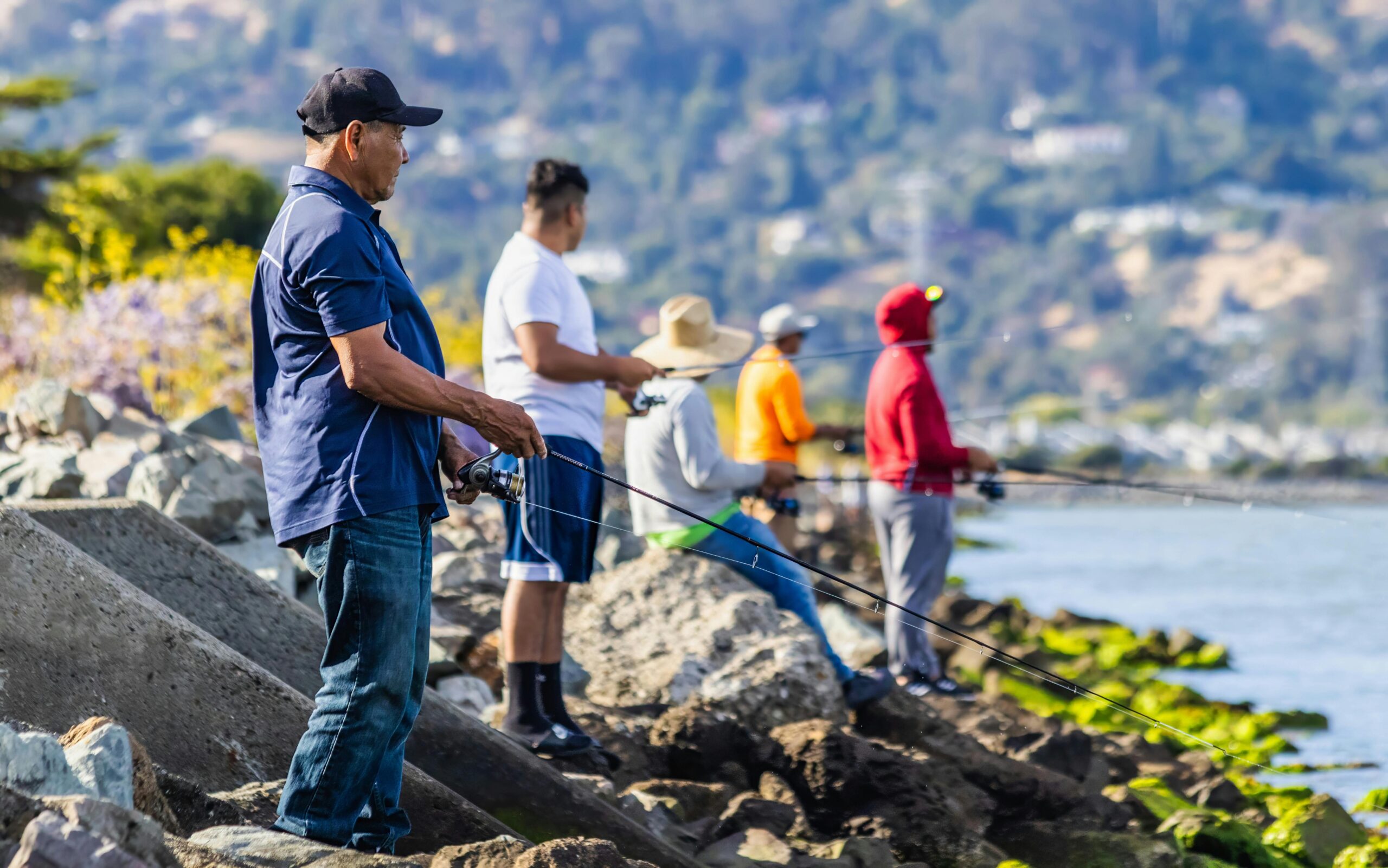
Fishing is a wonderful hobby enjoyed by people of all ages and backgrounds. Whether you’re looking for a peaceful day on the water or hoping to catch dinner, fishing can be both relaxing and rewarding. However, for beginners, the world of fishing can seem overwhelming. From choosing the right gear to understanding fishing techniques, there’s a lot to learn.
This guide is here to help you navigate the basics of fishing, offering practical tips, safety advice, and essential techniques that will make your fishing experience much more enjoyable. By the end, you’ll have all the knowledge you need to start fishing with confidence.
1. Safety First: Essential for All Anglers
Fishing can be a lot of fun, but it’s important to remember that safety should always come first. Whether you’re fishing from a boat or from the shore, there are basic safety tips every beginner should follow.
Wear a Life Jacket
Always wear a properly fitted personal flotation device (PFD) when fishing from a boat, regardless of its size. Many beginners forget this, thinking that the water is calm or that they’re a strong swimmer. However, accidents can happen quickly, and wearing a life jacket could save your life. Even in shallow water, it’s important to stay safe.
Stay Hydrated
It’s easy to forget about drinking water when you’re out fishing, but hydration is essential, especially on warm days. Pack plenty of drinking water to avoid dehydration, which can make your fishing trip less enjoyable and even dangerous. Additionally, don’t forget sunscreen, a first aid kit, and snacks to keep your energy levels up.
Check the Weather
Before heading out, always check the weather forecast. Sudden changes in weather can create dangerous conditions on the water, especially if you’re in a small boat. Strong winds, storms, or even unexpected heat can make your fishing trip more difficult and potentially risky. Plan ahead to ensure you’re fishing in safe conditions.
Know Your Location
Let someone know where you’re going and when you plan to return. This is especially important when fishing from remote or isolated locations. If you’re heading out on a boat, filing a float plan can be a good idea to make sure someone knows your whereabouts.
2. Choosing the Right Gear: Fishing Basics for Beginners
When you’re just starting out, choosing the right gear can feel intimidating. But it doesn’t have to be complicated. For most beginners, a spinning rod and reel combo is the easiest and most effective way to get started. This setup is simple to use and works well for both freshwater and saltwater fishing.
Rod and Reel
Your rod and reel combo should be chosen based on the type of fishing you plan to do. For beginners, a medium-action spinning rod (around 6 to 7 feet long) is ideal for catching a variety of fish in freshwater. A spinning reel is great because it’s easy to use and has a smooth retrieval process.
For saltwater fishing, you may need a stronger rod and reel combo to handle larger fish. Saltwater-resistant gear is essential for preventing rust and wear from the salty water.
Fishing Line
Fishing lines come in different materials and strengths. Monofilament line is a good option for beginners because it’s inexpensive, easy to handle, and versatile. It’s suitable for most types of fishing and can be used in both freshwater and saltwater.
Hooks, Lures, and Bait
Hooks are essential, and choosing the right size hook depends on the fish you’re targeting. Smaller hooks work for smaller fish like trout, while larger hooks are needed for bigger fish like bass or pike.
As for lures and bait, beginners can start with live bait, like worms or minnows. Live bait is often more effective than artificial lures, and it’s easy to handle for beginners. However, if you prefer artificial lures, spinnerbaits or crankbaits are great choices that attract fish by mimicking the movement of small prey.
3. Fishing Techniques: Master the Basics
Fishing isn’t just about casting your line into the water and waiting. It requires strategy, patience, and an understanding of how to use your equipment effectively. Let’s take a look at some of the basic techniques you’ll need to know.
Casting Your Line
Learning how to cast properly is one of the first things you need to master as a beginner angler. Casting involves using your rod and reel to send your bait or lure into the water. Start by holding the rod with both hands and making a smooth motion with your arm. Practice casting on land to get a feel for the rod and line.
A few important tips:
- Don’t rush. Smooth, controlled motions work better than trying to cast as far as possible.
- Always watch your surroundings to avoid tangling your line in trees, bushes, or other obstacles.
- Try to aim for spots where fish are likely to be hiding, such as under overhanging trees, near rocks, or in deeper water.
Reeling in Your Catch
Once you’ve cast your line, it’s time to reel it in. Keep your rod tip high and use the reel to slowly retrieve the line while maintaining tension on the bait or lure. This helps mimic the movement of natural prey, which will attract fish.
If a fish bites, it’s important to set the hook quickly by giving a quick, firm jerk to your rod. This will ensure that the hook stays in place and the fish doesn’t escape.
Swimming Your Lure
When fishing with lures, you want to mimic the natural movement of prey in the water. The way you reel in your lure can make all the difference between success and failure. Try to vary your retrieval speed and use the rod tip to “swim” the lure as it moves through the water.
For example, if you’re using a crankbait, reel it in slowly with occasional jerks to make the lure look like it’s a struggling fish. Experiment with different speeds and patterns to find what works best in the conditions you’re fishing.
Fishing from a Boat vs. the Shore
Fishing from a boat can give you access to deeper waters where bigger fish often live. However, you’ll need to be mindful of the limited space and make sure you’re casting carefully to avoid tangling your line.
When fishing from the shore, you may need to cast further out to reach the fish. You’ll also have to be aware of the terrain and any obstacles in the water, such as submerged rocks or weeds, that might snag your line.
4. Freshwater vs. Saltwater Fishing
Many beginners start with freshwater fishing, as it’s more accessible and easier to learn. Freshwater lakes, rivers, and ponds are home to a wide variety of fish, including bass, trout, and bluegill. Freshwater fish tend to be smaller and less aggressive than their saltwater cousins, making them a good choice for beginners.
Saltwater fishing, on the other hand, is typically done in the ocean or in coastal areas. Saltwater fish tend to be much larger and stronger, and fishing in the ocean can be more challenging. However, it’s also incredibly rewarding, especially if you land a big catch like a marlin or tuna.
For most beginners, it’s recommended to start with freshwater fishing. Once you’ve gained some experience, you can move on to saltwater fishing, which may require different gear and techniques.
5. Changing Tactics: Know When to Adapt
Fishing isn’t always about casting your line and waiting for a fish to bite. Sometimes you need to adapt to the situation and change your approach. Here are a few ways to change tactics when things aren’t working:
Change Depths
If you’re not having any luck fishing near the surface, try casting deeper into the water. Fish often swim at different depths depending on the time of day, water temperature, and food availability. Experiment with your bait or lure at different depths to see where the fish are hiding.
Change Lures or Bait
If your current bait or lure isn’t working, don’t be afraid to try something new. Switch to a different color, size, or type of lure. Fish can be picky, and sometimes they’ll respond better to a different presentation.
Move to a New Spot
If you’ve been fishing in the same spot for a while and haven’t had any bites, it might be time to move. Fish can be unpredictable, and sometimes you need to search for a new location. Try casting in a different direction or moving to a new part of the lake or river.
6. Patience: The Key to Success
Fishing is all about patience. You can’t rush the process, and it may take time to get your first big catch. Don’t get discouraged if you don’t catch anything right away. Enjoy the experience, observe your surroundings, and keep trying.
Sometimes the best way to learn is through trial and error. Be patient, stay persistent, and you’ll eventually find success.
Conclusion
Fishing can be a rewarding hobby, but it requires patience, knowledge, and the right techniques. By following these tips and guidelines, you’ll be well on your way to becoming a successful angler.
Remember to always prioritize safety, choose the right gear, practice your casting and reeling techniques, and be prepared to adapt your strategy. With these basics under your belt, you’ll be able to enjoy your time on the water and, hopefully, reel in some great catches along the way.
Happy fishing!